Step 1: Keyword Analysis Using NLP
Begin with a deep understanding of search intent and semantic relevance. Tools like ChatGPT, SEMrush NLP Analyzer, and SurferSEO can help identify primary and related terms that add contextual depth.
In SGE & NLP for SEO, the focus shifts from repeating keywords to covering topics comprehensively. Identify queries your audience asks, cluster related terms, and ensure content satisfies user intent fully.
Step 2: Content Structuring for SGE
Structured content improves both AI and human readability. Use clear headings, bullet points, numbered lists, and short paragraphs. A conversational tone makes information accessible and encourages users to stay longer on the page.
Including your main keyword naturally in headings and meta descriptions helps AI models and traditional search engines recognise relevance. Proper structure increases your chances of appearing in featured snippets or AI-generated summaries.
Step 3: Optimising Meta Titles and Snippets
SGE favours concise, precise meta titles and descriptions. Include your keyword and supporting phrases without overstuffing. Ensure meta descriptions directly answer user queries and highlight the value of your content.
Adding FAQ schema or structured data enhances your visibility in AI-driven search features. These signals make it easier for AI systems to extract and present your content accurately.
Step 4: Natural Language Optimisation
Write in a human-like, conversational style. NLP algorithms reward content that reads naturally, is logically structured, and clearly explains ideas. Avoid keyword stuffing; instead, use synonyms, related terms, and semantic context.
High-quality writing ensures your content performs in both SGE and traditional search. Clear explanations, relevant examples, and logical flow increase trust and engagement.
Step 5: Internal and External Linking
Internal links guide readers to related content, while external links point to authoritative sources. Linking strategically builds topic authority and signals credibility to search engines.
In SGE & NLP for SEO, authority matters more than volume. A few high-quality, contextually relevant links outperform numerous low-quality ones.
Step 6: Using AI Content Insights
AI tools can analyse readability, sentiment, entity recognition, and semantic gaps. Use these insights to improve content quality, making it both SGE-ready and engaging for readers.
Identify areas where content could explain concepts more clearly, add examples, or expand coverage. This level of optimisation ensures your page satisfies both AI and human evaluation.
Step 7: Monitoring and Adjusting
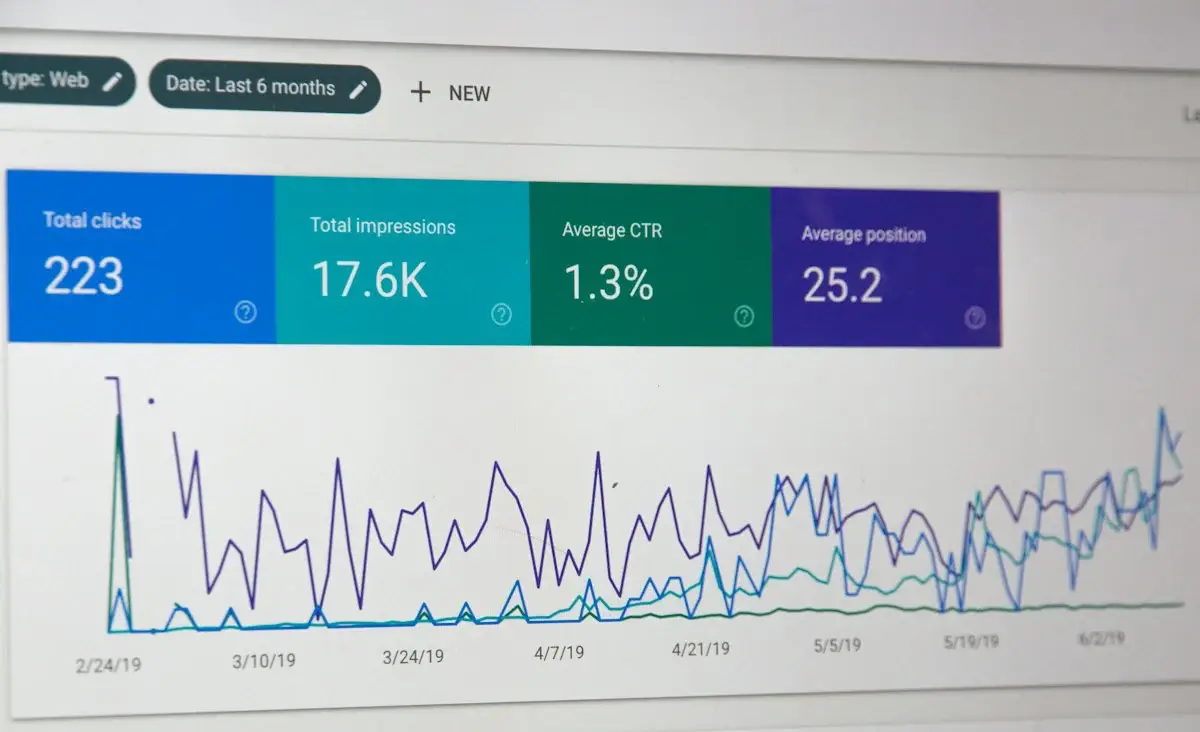
Track performance metrics such as rankings, click-through rates, dwell time, and bounce rates. Use this data to refresh content, update headings, or refine keyword placement.
SGE and NLP evolve constantly, so continuous optimisation is crucial. Keeping content up-to-date improves rankings, trust, and engagement over time.